

Provenance, Authenticity, and Blue-Chip Art: Why Verified History Protects Value
For serious art collectors, beauty is only part of the story. The true value of a work of fine art is shaped not only by the artist, condition, rarity, and market demand, but also by its provenance and authenticity. In the world of blue-chip art, where individual works can represent significant financial and cultural assets, verified ownership history is essential.
Provenance is the documented history of an artwork’s ownership. It may include gallery records, auction history, exhibition records, estate documentation, invoices, certificates, scholarly references, and inclusion in catalogues raisonnés. When clear and credible, provenance helps establish where a work has been, who has owned it, and how it has moved through the art market.
Authenticity answers an equally important question: is the artwork truly by the artist it is attributed to? For collectors, buyers, and sellers, authenticity is the foundation of confidence. A work with strong authentication and well-documented provenance is easier to evaluate, insure, sell, lend, and pass on to future generations.
This is especially important in blue-chip art. Works by established, internationally recognized artists often carry strong market demand, but they also require careful due diligence. As values rise, so does the importance of documentation. Collectors want assurance that a painting, sculpture, print, or work on paper has a reliable history and can withstand scrutiny from galleries, auction houses, advisors, appraisers, insurers, and future buyers.
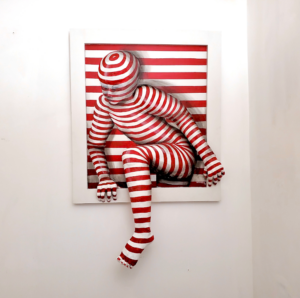
Starting in 2026 Wendy van Boxtel will take provenance and authenticity a step further by using resin-coated NFC technology embedded in each artwork. These secure NFC tags help verify each work’s authentication and ownership, giving collectors a modern way to connect the physical artwork with its verified record. This added layer of protection supports transparency, strengthens collector confidence, and helps preserve the long-term value of the work.

A strong provenance can protect value in several important ways. First, it reduces uncertainty. Art buyers are more comfortable acquiring works with a clear chain of ownership and credible supporting documents. Second, it can strengthen marketability. When a work has been exhibited, published, or owned by a notable collector, institution, or estate, that history may add prestige and desirability. Third, provenance can help protect against legal, financial, and reputational risks, including questions of title, attribution, or unauthorized sale.
For sellers, verified provenance can make the difference between a smooth transaction and a difficult one. Collectors preparing to sell blue-chip art should gather all relevant documentation before going to market. This may include original purchase receipts, gallery correspondence, auction records, certificates of authenticity, condition reports, appraisals, framing records, shipping documents, and conservation history. The more complete the file, the stronger the presentation.
For buyers, provenance and authenticity should be reviewed before acquisition, not after. A beautiful work may be compelling, but serious collectors know that documentation matters. Asking the right questions early can help avoid costly mistakes: Where did the work come from? Has it appeared at auction? Is it included in the artist’s catalogue? Are there certificates or expert opinions? Has the work been exhibited or published? Is there any gap in the ownership history?
For collectors building or refining a blue-chip art collection, provenance is not just paperwork. It is part of the artwork’s identity. It connects the piece to the artist’s legacy, the history of collecting, and the broader cultural marketplace. A well-documented work gives collectors confidence today and helps preserve value for tomorrow.
In fine art, trust is built through evidence. Provenance and authenticity provide that evidence. By combining traditional documentation with embedded NFC verification, Wendy van Boxtel offers collectors a more secure and transparent way to protect the value, integrity, and legacy of their collections.